

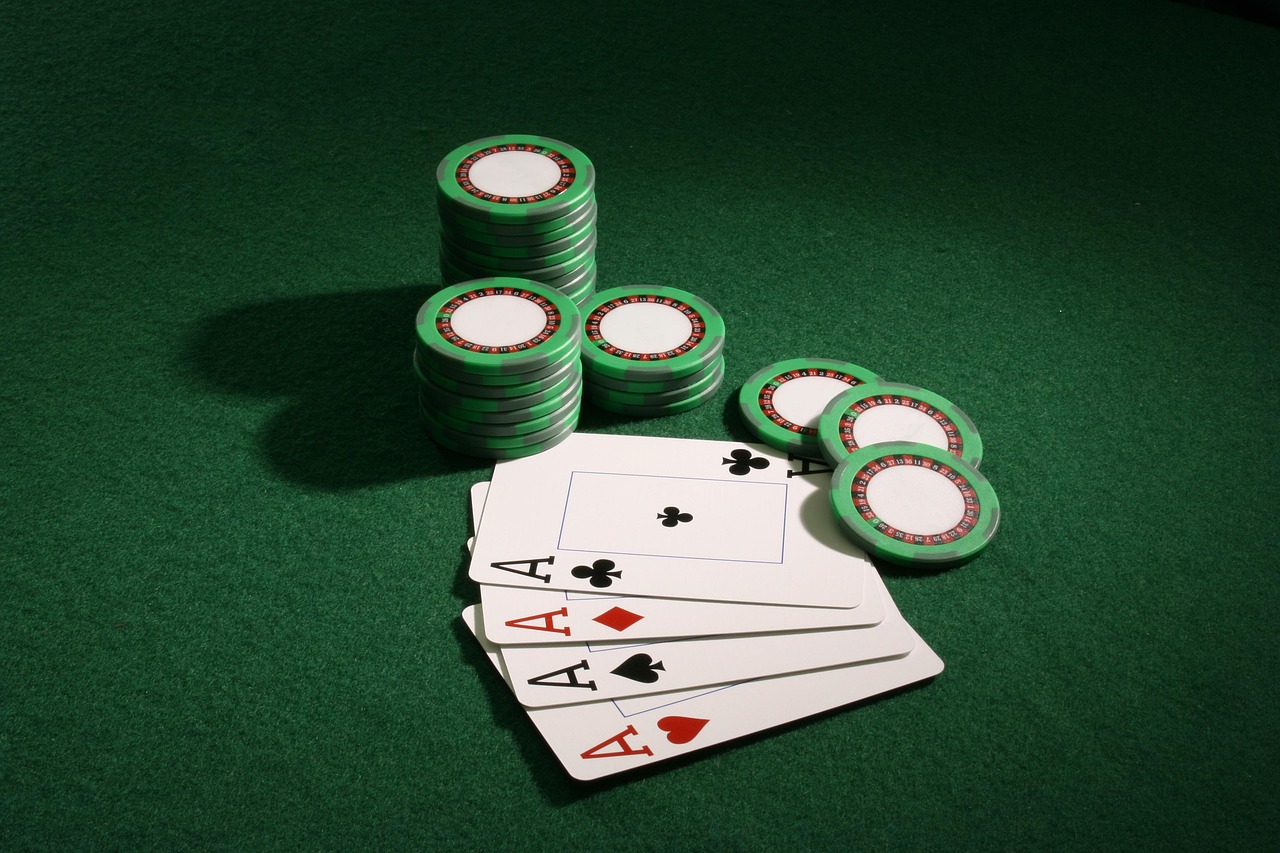
Every casino floor tells the same joke: a gambler walks up to a roulette wheel, bets everything on red, and loses. The pit boss smiles. The gambler storms off. Meanwhile, a slot player two rows over just hit a 500x multiplier on a $2 spin, and nobody writes a headline about it. That asymmetry—the losses that feel inevitable and the wins that feel impossible—is the entire emotional engine of iGaming. Understanding it is the difference between playing for fun and playing for regret.
Let's talk about what actually happens when you deposit, spin, deal, or bet. Not the marketing version. The mechanics.
House Edge Is Not a Conspiracy—It's Arithmetic
Every game you touch in a casino has a built-in mathematical advantage for the operator. That's not sinister; it's how the business survives. But the size of that edge varies wildly, and knowing the numbers changes how you play.
- Blackjack (basic strategy): roughly 0.5% house edge. Best odds in most casinos if you play correctly.
- Baccarat (banker bet): about 1.06%. The player bet is closer to 1.24%. The tie bet? Around 14%—avoid it.
- European roulette: 2.7% edge thanks to a single zero. American roulette doubles that to 5.26% with the extra 00 pocket.
- Slots: typically 2% to 10%, depending on the machine and jurisdiction. Penny slots tend to sit at the higher end.
- Video poker (Jacks or Better, full pay): can dip below 1% with perfect play.
Notice the pattern. Games where skill influences outcomes—blackjack, video poker, poker—offer the slimmest edges to the house. Games that are pure chance—slots, keno, wheel of fortune—tend to take more. That's not a moral judgment. It's a map. If you want your money to last longer, follow the map.
Slots: The Psychology of the Spin Button
Slots are the most popular game in virtually every casino, land-based or online, and for good reason. They're simple, they're fast, and they're engineered to keep you pressing that button. Modern slot machines use variable ratio reinforcement schedules—the same psychological principle that makes social media feeds addictive. You don't know when the reward comes, so you keep pulling. สล็อตเว็บตรง covers this in more detail.
Here's what actually matters when you sit down at a slot:
- Volatility matters more than RTP for your session. A 96% RTP game with high volatility might eat your bankroll in twenty minutes or triple it in five. A low-volatility game with the same RTP will grind you down slowly. Know which one you're playing.
- Bet size relative to bankroll. If you have $100, spinning $5 per pull gives you twenty spins. That's not a session; that's a coin flip. Most experienced players keep individual bets at 1% or less of their total bankroll.
- Bonus features drive the math. Many slots return most of their RTP through free spins and bonus rounds. A game with a 96% RTP might return 70% of that through the base game and 26% through bonuses. If you never trigger the bonus, you're playing a worse game than the published number suggests.
The spin button doesn't care about your rent. That's your job.
Poker: The Only Game Where You Play the Opponent
Poker is the beautiful anomaly in the gambling world. The house takes a rake—typically 5% to 10% of each pot, capped—but you're not playing against the house. You're playing against other people. And other people have leaks.
A tight-aggressive player who understands position, pot odds, and bet sizing can maintain a positive expected value over thousands of hands. A loose player who chases draws and calls too much will bleed chips regardless of how good their cards look. The difference isn't luck. It's decision quality over volume.
Online poker amplifies this because you can multi-table, track statistics, and exploit opponents' tendencies with data. But it also means your opponents can do the same to you. The information age has made poker tougher at every stake, but it's also made the learning resources better than ever. Solvers, training sites, and hand-history reviews can turn a break-even player into a consistent winner in months—if they put in the work.
Betting: Data, Discipline, and the Closing Line
Sports betting has transformed in the last decade. What used to be a cash-only transaction with a local bookie is now a real-time market with thousands of data points and algorithms pricing every outcome. The sharpest bettors don't predict winners. They predict prices.
The key concept is the closing line—the final odds before an event starts. If you consistently bet numbers better than the closing line, you're likely a long-term winner. If you're always taking worse numbers, you're paying a tax to the market. Compare odds across multiple sportsbooks, line shop obsessively, and understand that a 55% win rate against the spread is elite. Most recreational bettors hover around 50% and pay juice on every losing ticket.
Bankroll management is not optional. Flat betting—same unit size on every play—keeps variance survivable. Chasing losses with bigger bets is how a bad weekend becomes a bad month.
The Bottom Line for Anyone Who Plays
iGaming is entertainment, not an investment strategy. The math guarantees that most players lose over time. The ones who don't either have an edge—in poker, in sports betting, in advantage play—or they're lucky enough to walk away while ahead.
So why play at all? Because the experience itself has value. The tension of a close hand, the rush of a bonus round, the social energy of a live table—these are real. Treat the money you bring as the cost of that experience, not as a seed you're expecting to grow. Set limits. Take breaks. Never play with money you need. The house will always have its edge. Your job is to make sure the entertainment is worth the price of admission.


Comments