

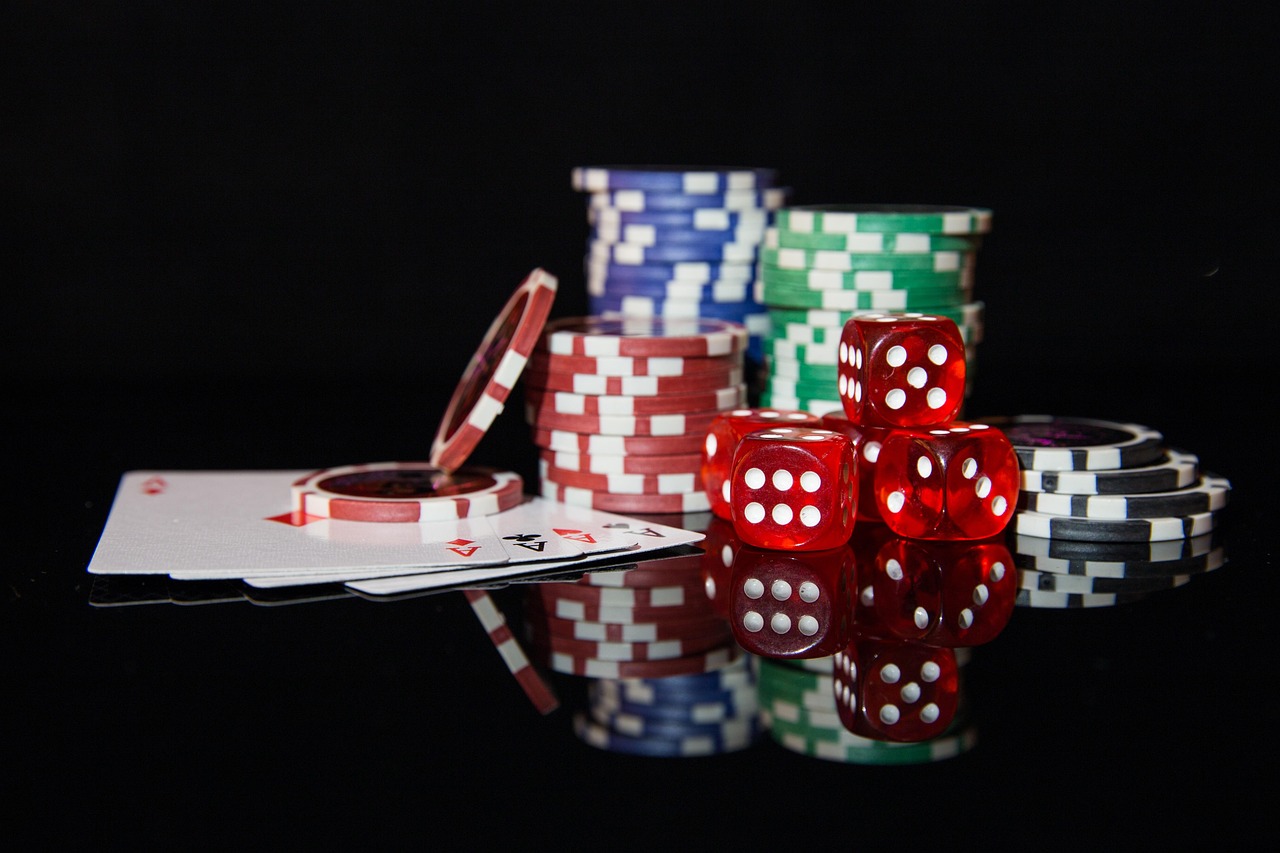
Most people who lose money at online casinos do not lose because they are unlucky. They lose because they walked in with a story in their head that had nothing to do with how the games actually work. They believed a slot was "due." They chased a poker loss into a game they did not understand. They bet on a favorite because the odds looked short and assumed short meant safe. None of that is bad luck. It is bad math meeting good marketing.
This guide is not a pitch for any operator and it is not a promise of profit. It is a straight look at how the major iGaming verticals behave, where the real edges live, and how to keep the entertainment from quietly becoming a leak.
Slots: Volatility Is the Whole Story
Modern video slots are built on two numbers that matter more than theme, graphics, or whether the bonus feels generous. The first is RTP, return to player. A 96% RTP slot returns, on average, 96 cents per euro wagered over millions of spins. The house keeps the rest. The second is volatility, and it decides the shape of your session far more than RTP does. For more on this, see keonhacaii5.com.co.
Low-volatility slots like many classic three-reel games pay small amounts often. A €100 bankroll on a low-volatility game at €0.50 spins can last a long time, but the ceiling is low. High-volatility games, the ones with 50,000x max wins and bonus buys, will eat a bankroll in minutes and then, occasionally, hand back a monster. That is not generosity. It is variance compressed into a short window.
- A 96% RTP slot and a 94% RTP slot differ by 2% of every euro wagered. Over 1,000 spins at €1, that is €20 in expected loss versus €40. Multiply by a year of regular play and the gap is brutal.
- Bonus buy features are usually priced so that the feature's expected value is worse than spinning into it naturally. Some jurisdictions now cap buy prices at 100x the base bet for exactly this reason.
- Autoplay is convenient but it disconnects you from the number of spins. A slot that feels slow at 800 spins an hour becomes a different product at 1,800 spins an hour.
The practical takeaway is not "play low RTP games are bad." It is that you should pick your volatility to match your bankroll and your patience. A €50 bankroll on a 25,000x max-win slot is not a session. It is a lottery ticket with extra steps.
Table Games and the Illusion of Strategy
Roulette has no strategy. Every spin is independent and the house edge is fixed, 2.7% on a European single-zero wheel and 5.26% on an American double-zero wheel. That difference is why any serious player avoids American roulette. Blackjack is the exception where skill actually moves the number. Basic strategy, a chart of correct plays against every dealer upcard, cuts the house edge to roughly 0.5% on most 3:2 blackjack games. But many online tables pay 6:5 on blackjack, which pushes the edge above 1.5% and wipes out much of your effort.
Baccarat is statistically one of the cleanest bets in the building. The banker bet carries about a 1.06% house edge and the player bet about 1.24%. The tie bet, which pays 8:1 or 9:1, carries a 14.4% edge. The fact that the tie looks exciting is precisely why it funds the table. If you are going to sit at baccarat, banker with no tie side bets is the disciplined line.
Poker: The One Game Where You Can Actually Win
Poker is not a game of chance in the way slots are. It is a game of incomplete information where skill expresses itself over thousands of hands. That distinction matters, because it is the only mainstream iGaming vertical where a good player can be a long-term winner.
But the modern online poker ecosystem is tough. Hold'em remains the most popular format, yet No-Limit Hold'em cash games at mid stakes are populated by players using solvers, tracking software, and precomputed ranges. A recreational player jumping into a €1/€2 game after two years away is not a shark entering a pool. They are the pool.
Where does a thinking player find soft spots in 2025?
- Fast-fold formats. Zoom-style games let you see more hands per hour, which compounds skill edges faster if you are actually better than the field.
- Tournament satellites. Low buy-in satellites to big events often have top-heavy payouts that weaker players do not understand, creating overlay and soft fields.
- Live low-stakes games. If you have access to a regulated live room, the €1/€2 and €1/€3 games still contain far more recreational money than the equivalent online stakes.
- Mixed games. Omaha, Stud, and draw variants have thinner player pools and many opponents who are Hold'em players experimenting. Your edge can be real if you put in the study.
The trap in poker is not the rake, though rake of 5% capped at €3 per pot is a serious drag at low stakes. The trap is confusing a good session for a good win rate. Bankroll management of at least 20 to 30 buy-ins for cash games and roughly 100 buy-ins for tournaments separates players who survive variance from players who reload every month.
Betting: Margins, Value, and the Favorite Trap
Sports betting is a margin business. A bookmaker sets odds so that the implied probabilities sum to more than 100%. That overround, typically 4% to 8% on main markets and much higher on niche novelty props, is the house edge. You do not beat a book by picking winners. You beat a book by finding prices where the implied probability is genuinely lower than the true probability.
This is harder than it sounds. The classic mistake is betting short-priced favorites because they "feel" like locks. A -400 favorite that wins 75% of the time loses money long term if the odds only pay 80 cents on the euro. Meanwhile, a +180 underdog that wins 40% of the time is profitable if you truly believe the true probability is above 35.7%. The math is not about who wins. It is about whether the price is wrong.
Two habits make a measurable difference:
- Line shop. The difference between -110 and -105 on a standard spread is roughly 2% of your edge, which is enormous over a season. Regulated markets with multiple licensed books make this trivial.
- Track every bet, including stake, price, market, and closing line. If your closing line value is positive, you are likely a winning bettor in the long run even if the short-run results look ugly.
Responsible Play Is Not a Lecture
No gambling product makes money for the player on average. Slots, roulette, and most sports bets are negative expected value by design. Poker and some exchange betting are the exceptions, and even there the vast majority of participants are net losers after rake and variance. That is not moralizing. It is the arithmetic.
What makes a session healthy is not a personality trait. It is a structure. Set a loss limit before you log in and treat it like a deposit you will not top up. Play at stakes where a bad night is an inconvenience, not a crisis. Use the deposit limits and reality checks that regulated operators are required to provide. And if you notice that you are betting to recover losses rather than to enjoy the game, stop. The odds have not changed just because you are frustrated.
The Bottom Line
The iGaming industry sells excitement, and there is nothing wrong with buying some, as long as you know the price. Slots pay for the lights with RTP and volatility. Tables pay for them with fixed edges. Books pay for them with margins. Poker and exchange betting are the few places where a disciplined, studying player can actually flip the equation, and even there the work is real.
Pick the vertical that matches your temperament. Learn the one number that matters in that game. Shop for price. And never let a marketing email convince you that the machine is on your side.


Comments